


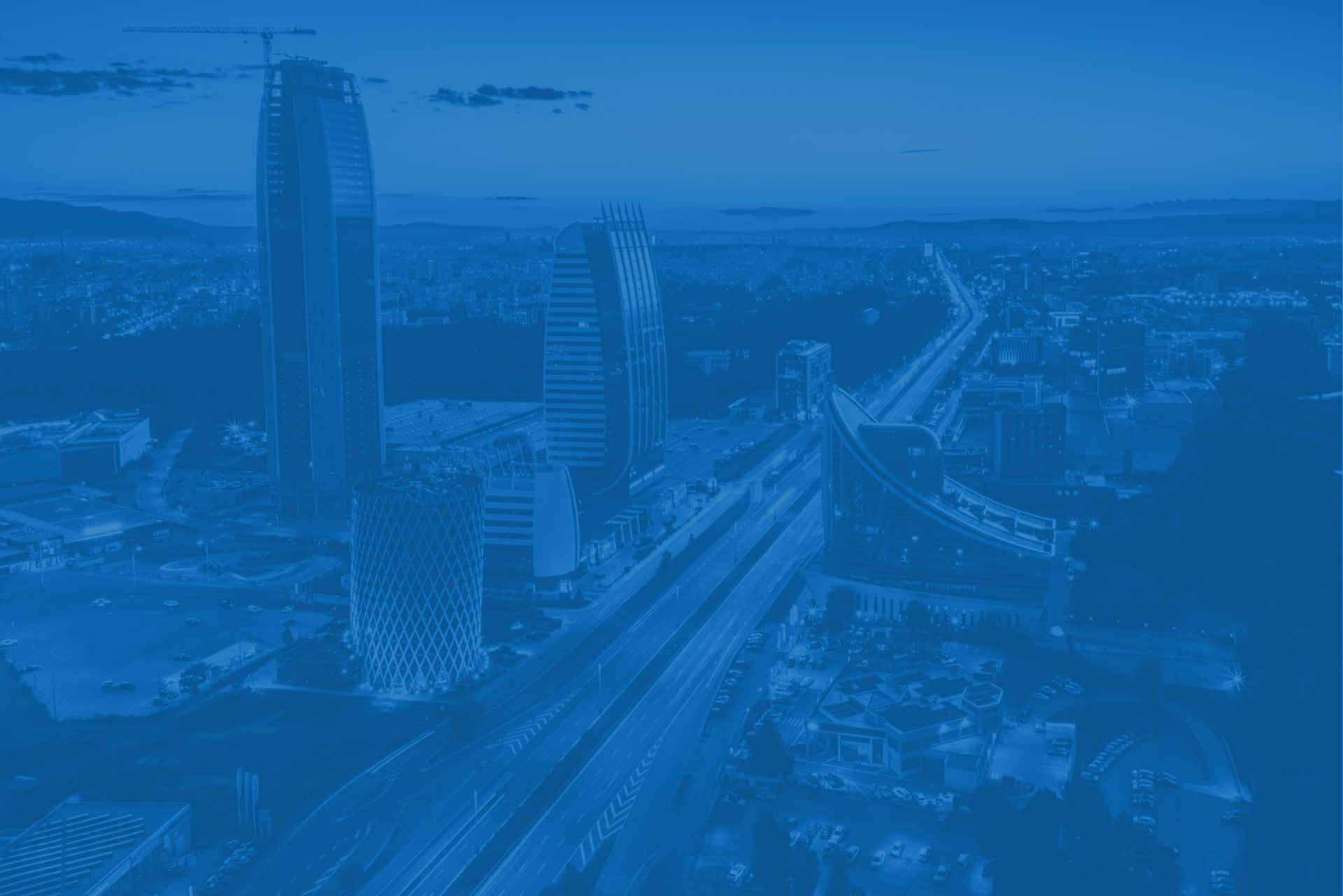
Sofia is Bulgaria’s capital and its largest city. Founded thousands of years ago, today the city continues to develop as the country’s cultural and economic center. At present, the city has a population of 1 250 000. Sofia is located in the western part of the country, on the Sofia Plain and on the lower slopes of Mount Vitosha. The city’s average altitude is 550 meters above sea level, and the climate is moderate and continental, characterized by cold winters and relatively cool summers. The average temperature in January is 1 degree below zero degrees Celsius, and the average in July is 20 degrees Celsius. The city is located at a strategic crossroads. The route from Western Europe to Istanbul passes through Sofia via Beograd and Skopje, then through Plovdiv to Turkey. Sofia also connects the Near East and the Middle East, lying between the banks of the Danube and the shores of the White Sea on the one hand and between the Black Sea and the Adriatic on the other.
Four freeways begin in Sofia: Trakia, Lyulin, Struma, and Hemus. The Sofia Airport provides travelers with convenient connections to all major European cities, and passengers can reach every destination in the country from the central train station and bus station. Sofia has been settled for many millennia. In the 8th century BC the Thracian tribes settled here and gave the city its first name – Serdika. In the 1st century BCE, Serdika was captured by the Romans, who transformed it into a Roman town.
The city gained its present name at the end of the 14th century in honor of the city’s central symbol, the Saint Sofia Basilica. In 1382, the city fell to the Ottomans. It was liberated five centuries later, in 1878. In 1879, it was declared the capital of the newly liberated Bulgarian nation.
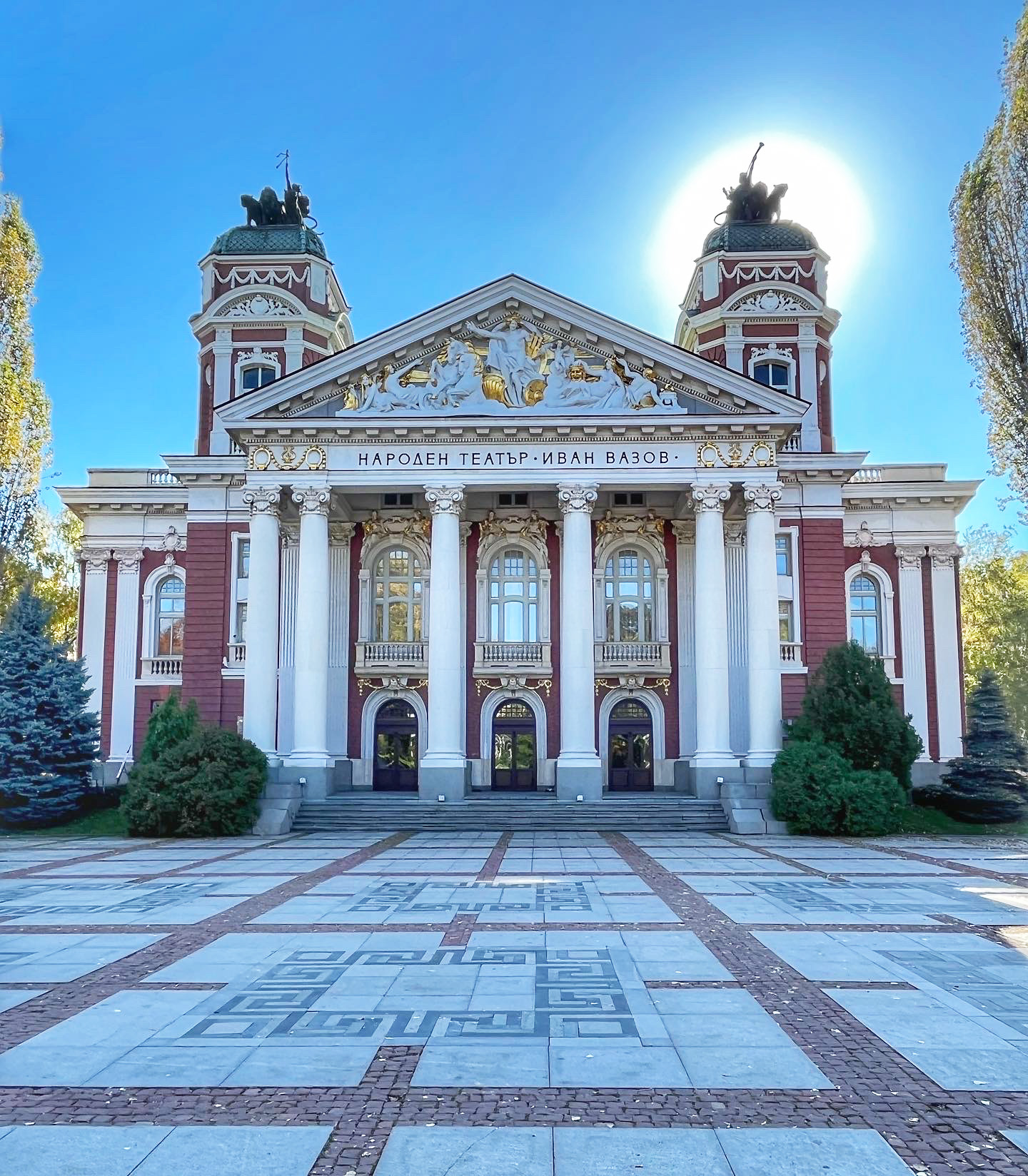
Beyond its strategic location and modern infrastructure, Sofia is a city deeply rooted in history, where ancient monuments stand side by side with contemporary life. Right in the vibrant heart of the city center lies one of its most remarkable historical treasures:
The Saint Sofia Basilica is one of the oldest churches in the capital. It was the city’s major church during the Middle Ages, and under the Ottomans, it was used as a mosque.
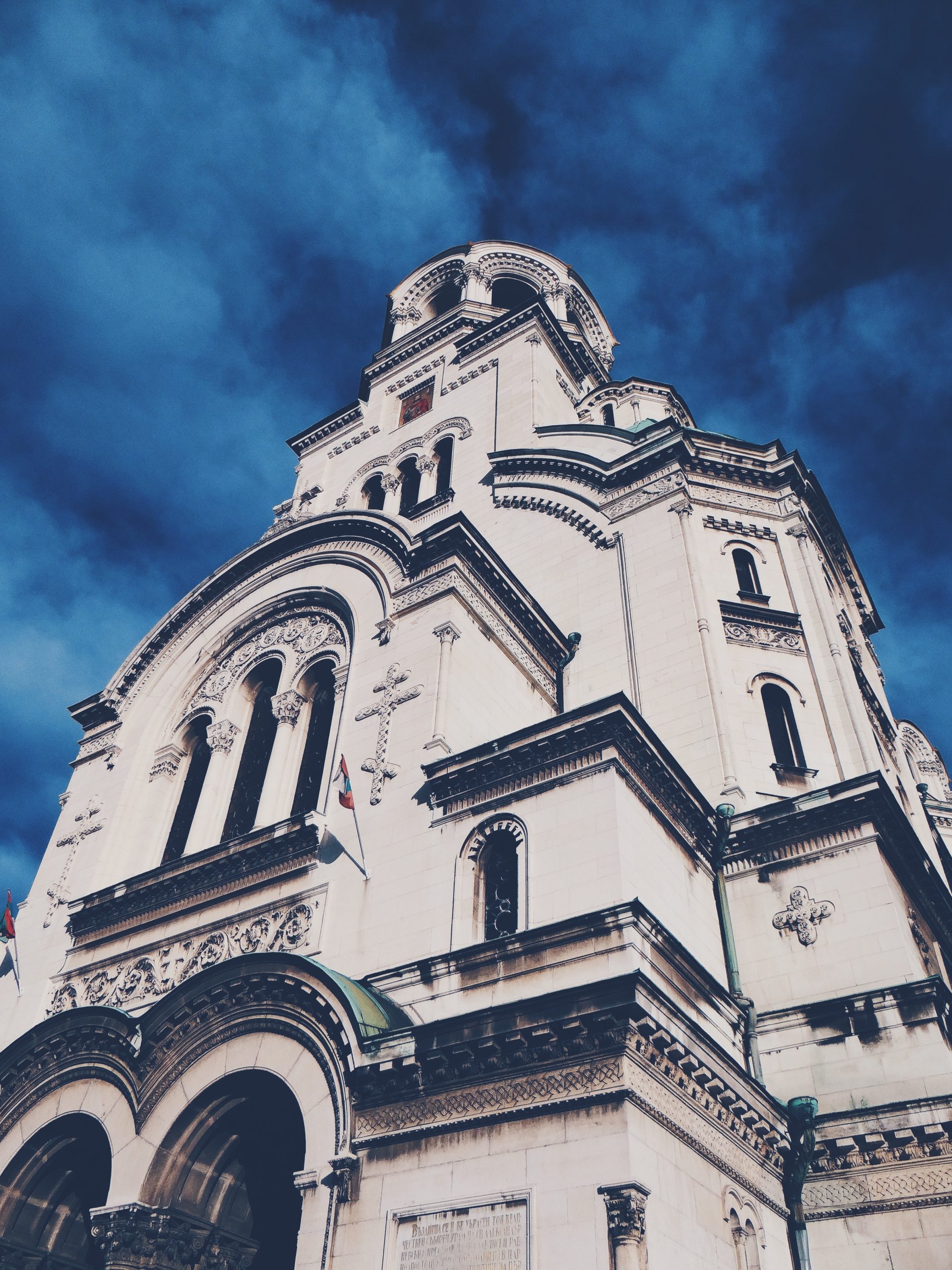
Very close to Saint Sofia is the Memorial Church Saint Alexander Nevsky, now one of the city’s most recognizable symbols. This church was built in 1912. Its bell tower rises to a height of 53 meters and houses 53 bells, the heaviest weighing 10 tons. One of Sofia’s most popular tourist destinations, the church can hold roughly 5,000 people, and on important Christian holidays, it is filled with believers. In the church’s crypt is an exhibit of Orthodox Christian art.
Directly across from the church is The National Gallery of Art, which often exhibits works by world-famous artists.
The oldest church in Sofia is the Saint George Rotunda. It is thought that the church was built in the 6th century, during the reign of Constantine the Great. The Saint is in the rotunda’s immediate proximity, under the passageway leading to the Serdika metro station.
Another Christian monument in the region is the Saint Joseph Catholic Cathedral.
While walking in the area, visitors will also see the Banya Bashi Mosque, built in the 16th century. Not far from the mosque is a synagogue, which houses a museum. There is hardly another city in Europe with so many noteworthy Christian, Islamic, and Jewish monuments so close together. Other historical remains are preserved in the immediate vicinity, such as the municipal baths, the marketplace, and the Holy Sunday Church. Adjacent to this church is the Theological Seminary, which houses the National Historical and Archeological Museum. Other points of interest in the city include the Lion Bridge, the Eagle Bridge, the Russian Monument, and the monument to Vasil Levski (a Bulgarian revolutionary hero who gave his life in the struggle to free Bulgaria from the Ottomans in the 19th century).
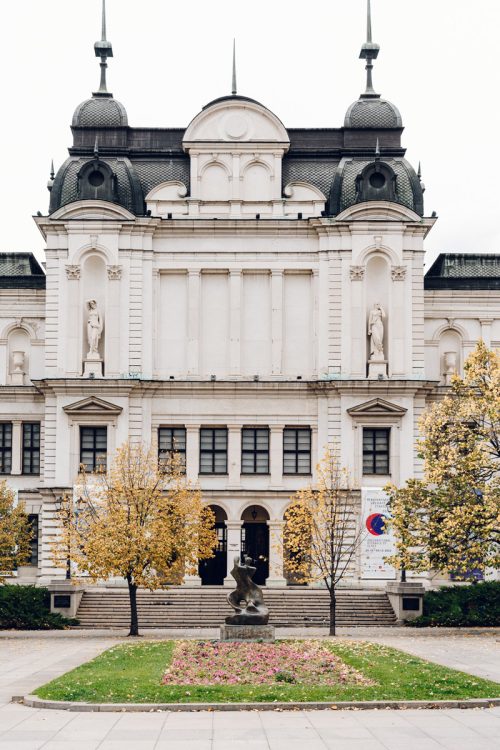
In the midst of the city’s religious landmarks, directly across from The Presidential Palace, is The National Archeological Museum, which has in its collection some of the most valuable treasures discovered in Bulgaria. Masterpieces of Bulgarian painting are on display at The National Art Gallery, located in what was formerly the Bulgarian Royal Palace.
The National Museum of Ethnography is also located here, and the Museum of Natural History is a very short distance away, with exhibits of plants and animals that are very valuable and even some that can no longer be seen in the wild. Right in front of this museum is The Saint Nikolai Church, which is an architectural landmark. On the lower slopes of Mount Vitosha, in the Boyana District, is located the National Museum of History, which has collections from prehistoric times to the present day.
The museum has one of the largest collections anywhere, with over 700,000 items of cultural importance. Close to the museum is the Boyana Church, one of the Bulgarian monuments listed among the UNESCO World Heritage Sites. There are many more capitals in the city, such as the Polytechnical Museum, the Museum of Anthropology, and the Sports Museum.
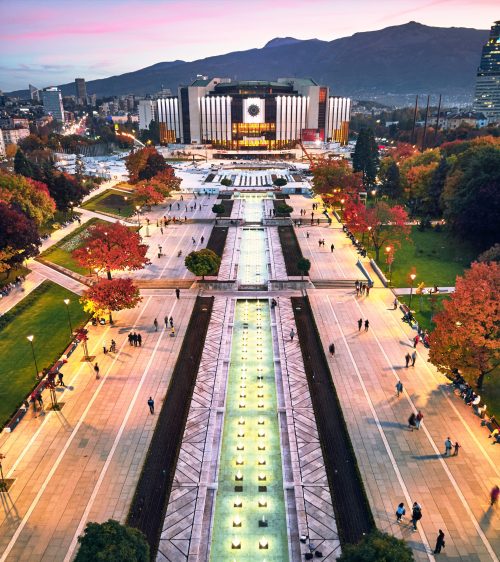
Since it is the nation’s capital, Sofia hosts essential cultural and musical events, conferences, and sports competitions. The National Palace of Culture, the city’s football stadiums, and the city’s large halls are venues for concerts and performances by famous individuals and groups. Like every big city, Sofia has something for every taste.
There are a great many luxury hotels, including those that are part of international hotel chains. There is also a wide variety of hostels and smaller family guesthouses. Many discotheques, restaurants, bars, piano bars, folk clubs, taverns, soda fountains, fast food outlets, and other entertainment exist. Sofia and the immediate vicinity also boast a great many spa complexes. The hot springs at Bankya, a nearby resort, offer beautiful facilities for rest, recreation, and wellness.
Ten spa centers within the capital’s city limits provide peace and relaxation, along with therapeutic and beauty treatments. Vitosha Boulevard is one of Sofia’s favorite spots for visitors and residents.Here, shops are carrying world-famous brands, and since it’s a pedestrian zone, it is a very pleasant place for strolling and relaxation.
In general, the capital is a shopper’s delight since Sofia is still one of the major crossroads on the Balkan Peninsula for trade of all kinds The city’s annual celebration is observed on September 17 in honor of the martyrdom of Saint Sofia and her three daughters Vyara (Faith), Nadezhda (Hope), and Lyubov (Love).